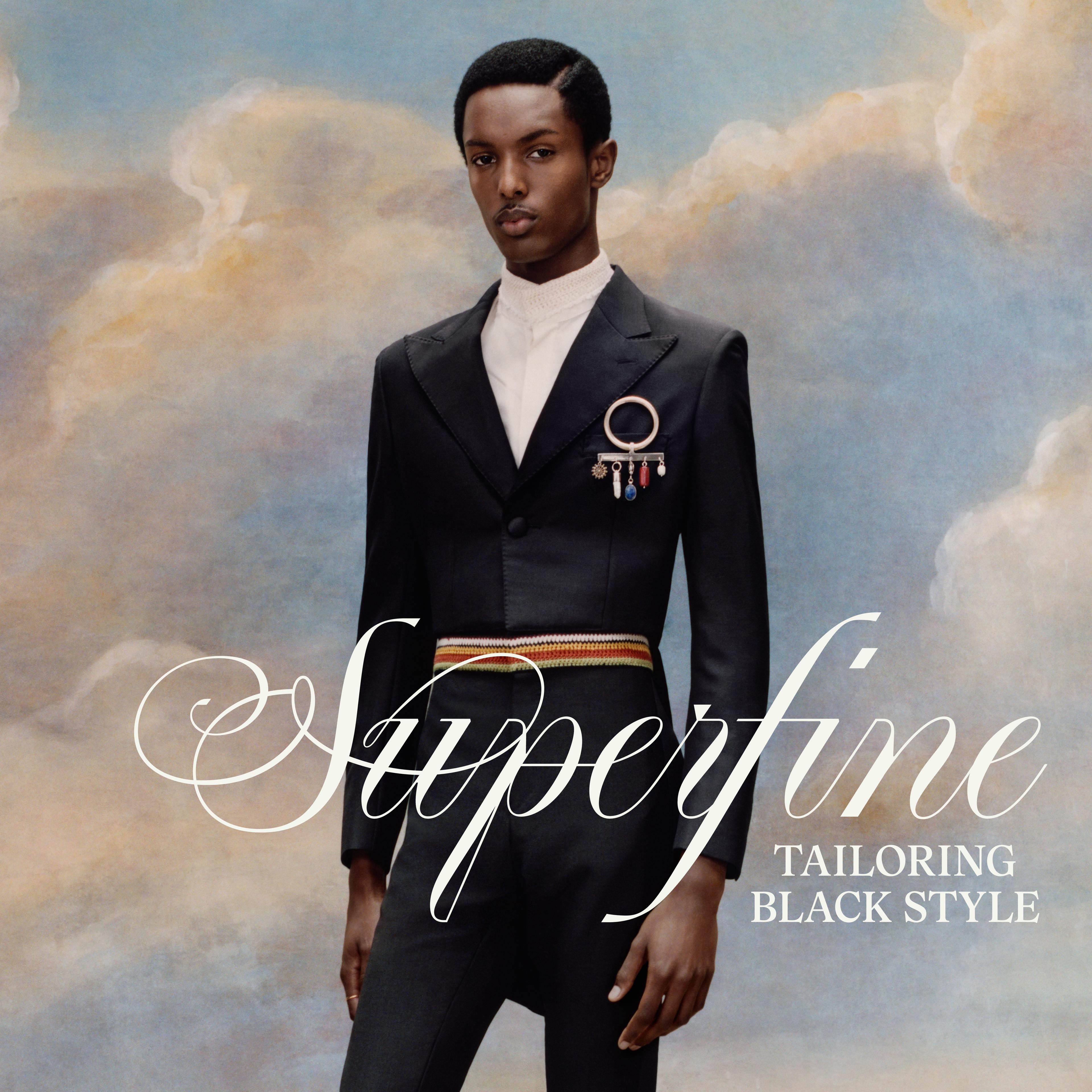
Understanding Business Casual: Navigating the Nuances of Professional Attire
Understanding Business Casual can be a nuanced endeavor, as the definition varies widely across industries and even individual workplaces. Generally, business casual attire represents a more relaxed version of professional clothing, allowing employees to express their personal style while maintaining a sense of professionalism. Typical business casual clothing includes dress shirts, slacks, blouses, and closed-toe shoes. However, what is considered acceptable can differ significantly depending on the company culture and norms. For example, a tech startup may embrace a more laid-back approach, permitting jeans and sneakers, while a law firm might prefer a more traditional look with tailored pants and blazers.
When navigating the nuances of professional attire, it's essential to pay attention to the specific dress code outlined by your employer. If unsure, it's always a good practice to observe your colleagues and take cues from their attire on days when you want to align with the office culture. Additionally, here are some tips to consider when putting together a business casual wardrobe:
- Choose well-fitted clothing that flatters your body type.
- Incorporate accessories like ties or statement jewelry for added flair.
- Opt for neutral colors and classic patterns that blend professionalism with personal expression.
Counter-Strike is a highly popular first-person shooter game that pits two teams against each other: terrorists and counter-terrorists. Players engage in various objective-based game modes, relying on strategy and teamwork to secure victory. For gamers looking to enhance their experience, they might need protective gear like Top 10 macbook keyboard covers to keep their devices safe while playing.
The Psychology of Color: How Your Wardrobe Choices Influence Perception
The psychology of color plays a significant role in how individuals perceive their surroundings and others. Our wardrobe choices are not merely a reflection of personal taste, but they also evoke emotional responses and convey messages about our identity. For instance, wearing bold colors like red can signify confidence and energy, while softer hues like blue may project calmness and trustworthiness. Understanding these associations allows individuals to harness the power of color to enhance their personal brand and influence how they are perceived in various situations.
Color can also influence social interactions and professional opportunities. According to various studies, wardrobe choices that align with the psychological meanings of colors can lead to better first impressions. For example, during an interview, donning a navy suit might suggest professionalism and reliability, while bright colors could imply creativity and innovation. Ultimately, being mindful of color psychology not only empowers individuals to express themselves but also affects how they are perceived socially and professionally.
Dress for Success: What Your Outfits Say About You in Different Social Contexts
In today's world, the adage dress for success holds more truth than ever. Your outfit can communicate a wealth of information about you, often before you even say a word. In professional settings, such as job interviews or important meetings, wearing tailored clothing not only reflects your seriousness but also tells prospective employers that you value their time and the opportunity at hand. Conversely, in more casual environments, your choice of attire can highlight your personality and approachability, making it important to find the right balance for each social context.
The impact of clothing extends beyond just the workplace; our outfits also influence social interactions and perceptions in everyday life. For instance, wearing vibrant colors and trendy styles can signal confidence and creativity in social gatherings, while opting for more subdued tones might suggest a desire for comfort or a laid-back attitude. It's essential to consider the context and audience when selecting your wardrobe, as what your outfits say about you can leave lasting impressions and shape the dynamics of your interactions. Ultimately, understanding the nuances of dressing appropriately for various situations can enhance both personal and professional relationships.