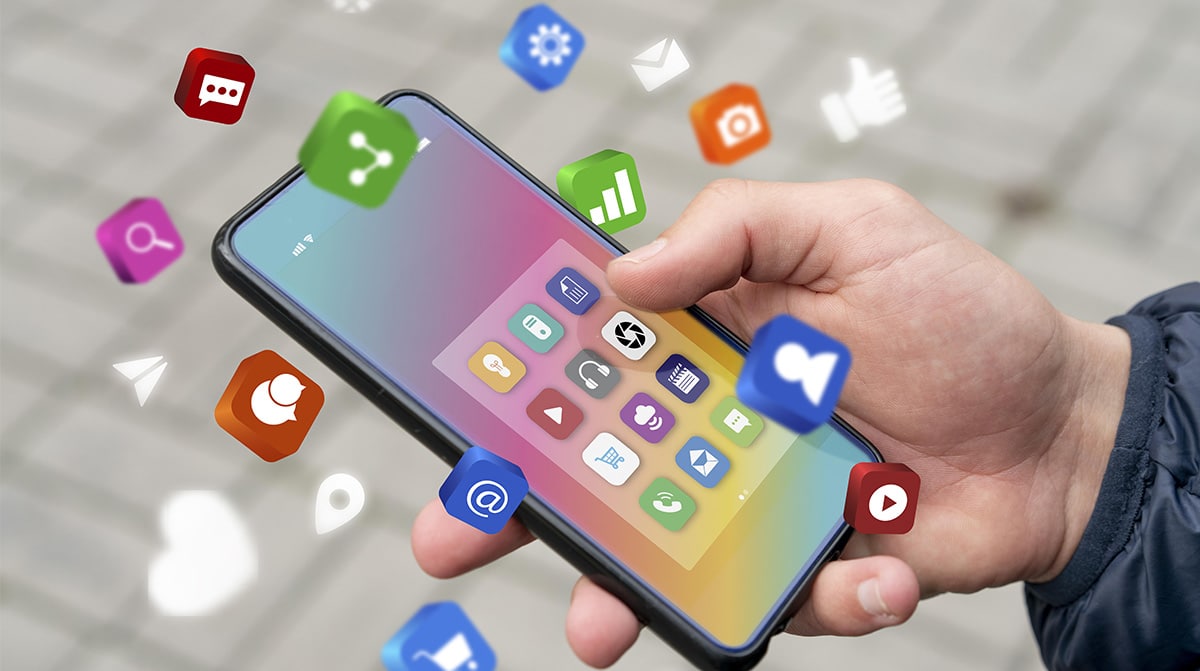
The Evolution of Mobile Technology: From Communication Tool to Constant Companion
The evolution of mobile technology has been nothing short of remarkable. Initially, mobile devices served as basic communication tools, allowing users to make calls and send short messages. However, as technology advanced, mobile phones transformed into smartphones with internet connectivity, enabling users to access information on the go. This shift was largely fueled by the advent of smartphone apps that transformed our daily routines. Today, mobile technology encompasses a wide range of functionalities—from social media interaction to online shopping and banking—making our devices indispensable.
Now, smartphones have evolved into our constant companions, integrating seamlessly into our lifestyles. They not only keep us connected with friends and family but also serve as our personal assistants, helping us manage tasks and stay organized. With the rise of features like voice recognition and artificial intelligence, our mobile devices are more intuitive than ever before. As we look to the future, it's clear that mobile technology will continue to evolve, potentially incorporating even smarter capabilities that will further enhance our connectivity and convenience.
Counter-Strike is a highly competitive first-person shooter that has captivated players around the world since its release. Known for its tactical gameplay and team-based strategies, it requires quick reflexes and teamwork to succeed. For those who enjoy upgrading their gaming experience, check out the Top 10 iPhone 17 Pro accessories that can enhance your mobile gaming performance.
The Psychological Impact of Smartphone Dependency: Understanding Our Attachment to Devices
The rise of smartphones has fundamentally transformed our daily lives, creating a dependency that often goes unnoticed. Studies indicate that individuals spend an average of screen time upwards of five hours a day, leading to increased feelings of anxiety and isolation. This phenomenon, often referred to as smartphone dependency, can trigger a range of psychological effects, including reduced attention span and diminished social interactions. As we increasingly turn to our devices for social validation and entertainment, understanding our emotional attachment to these gadgets becomes paramount.
Moreover, the psychological impact of smartphone dependency can manifest in various ways, such as a heightened sense of urgency to check notifications or an overwhelming fear of being disconnected, commonly known as nomophobia. The compulsive need to stay connected can hinder our ability to engage in face-to-face interactions and create a false sense of fulfillment. By recognizing these patterns, individuals can begin to restructure their relationship with technology, promoting a healthier balance between digital engagement and real-world connections.
Are We Too Attached? Exploring the Pros and Cons of Our Smartphone Relationships
In today's digital age, smartphones have become an integral part of our daily lives, leading us to wonder, are we too attached? On one hand, our smartphones enhance communication, providing instant access to friends and family, and keeping us connected to the world. This constant connectivity fosters social bonds, facilitates remote work, and offers access to a wealth of information at our fingertips. According to recent studies, over 80% of adults use their phones for social media, emphasizing how these devices can create a sense of community and support. However, this level of attachment raises concerns about the impact on mental health and personal relationships.
While there are undeniable benefits, the pros and cons of our smartphone relationships warrant closer examination. On the negative side, excessive smartphone use can lead to decreased face-to-face interactions, resulting in feelings of isolation and anxiety. Moreover, the constant pressure to remain updated can lead to digital burnout. It is essential to strike a balance; setting boundaries and prioritizing real-world interactions can mitigate negative effects. Ultimately, understanding our dependence on these devices can help us cultivate healthier smartphone relationships that enhance rather than hinder our lives.