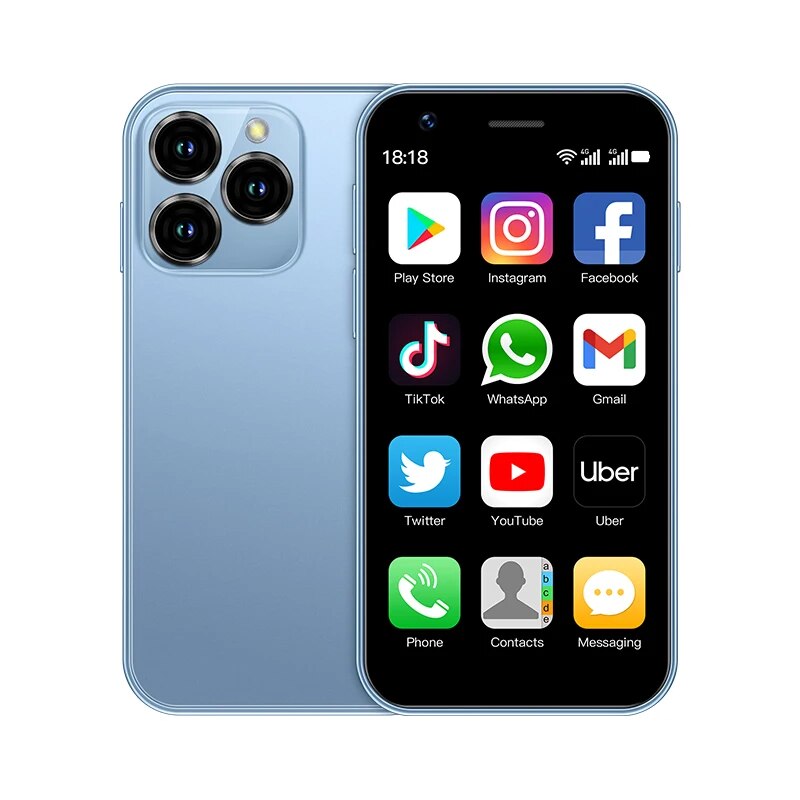
The Evolution of Smartphones: From Basic Phones to Powerful Pocket Computers
The journey of smartphones began in the early 1990s with the introduction of basic mobile phones that primarily focused on voice communication. Devices like the IBM Simon, released in 1994, marked the first significant step towards the evolution of mobile technology by combining phone features with a touchscreen interface and basic applications. As technology progressed, the late 2000s brought a revolution with the launch of Apple's iPhone, which transformed the way we interact with our devices. This transition from basic phones to smartphones paved the way for advanced functionalities, setting a new standard in mobile communication.
Fast forward to today, smartphones have evolved into powerful pocket computers equipped with high-resolution cameras, artificial intelligence, and endless apps that enhance our daily lives. Modern devices, such as the latest models from Samsung and Google, boast incredible processing power, enabling tasks like video editing and gaming on-the-go. Furthermore, unique features like biometric security, advanced connectivity options such as 5G, and seamless integration with other smart devices illustrate how far we've come from the days of basic communication. The evolution of smartphones not only reflects advancements in technology but also transforms the way we live, work, and connect.
Counter-Strike is a highly acclaimed tactical first-person shooter (FPS) game that has captivated millions of players around the world. It emphasizes teamwork, strategy, and skill, making each match an engaging experience. Players can choose to join either the terrorist or counter-terrorist team, with various objectives based on the game mode. To protect your gaming device, consider checking out the Top 10 iphone 17 pro cases for optimal durability and design.
How Smartphones Have Transformed Communication and Daily Life
The advent of smartphones has revolutionized the way we communicate and interact with the world around us. Gone are the days when communication was limited to face-to-face conversations or landline calls. Today, smartphones enable us to connect instantly with anyone, anywhere, through various channels such as social media, email, and instant messaging apps. This transformation has not only made communication more accessible but has also fostered a sense of global connectedness that transcends geographical boundaries. With a few taps on a screen, relationships can thrive, and information can be shared in real-time, significantly altering our daily interactions.
Moreover, smartphones have become indispensable tools in our daily lives, serving a multitude of functions beyond mere communication. They have integrated into our routines through applications that assist with time management, navigation, shopping, and even health monitoring. For instance, services like online banking allow us to manage finances swiftly, while navigation apps guide us through unfamiliar areas with ease. The rise of smartphones has thus led to an era where convenience is paramount, reshaping not only how we communicate but also how we live our everyday lives. The impact is profound, making smartphones central to both personal and professional pursuits.
Are Smartphones Making Us Smarter or More Dependent?
In today's digital age, smartphones play a pivotal role in our daily lives, raising the question: Are smartphones making us smarter or more dependent? On one hand, smartphones serve as powerful tools that enhance our learning and productivity. With access to endless information at our fingertips, users can quickly look up facts, engage with educational apps, and stay updated on current events. This accessibility contributes to improved knowledge retention and informed decision-making, suggesting that these devices can indeed foster cognitive growth and intellectual independence.
Conversely, the widespread reliance on smartphones has sparked concerns about increasing dependence on technology. Many people find themselves reaching for their devices as a default action, disrupting face-to-face interactions and reducing attention spans. The dopamine release associated with notifications and social media interactions can lead to addictive behaviors, making it difficult for individuals to disconnect. Therefore, while smartphones have the potential to enhance our cognitive abilities, they also risk fostering a dependency that can diminish our ability to engage meaningfully with the world around us.