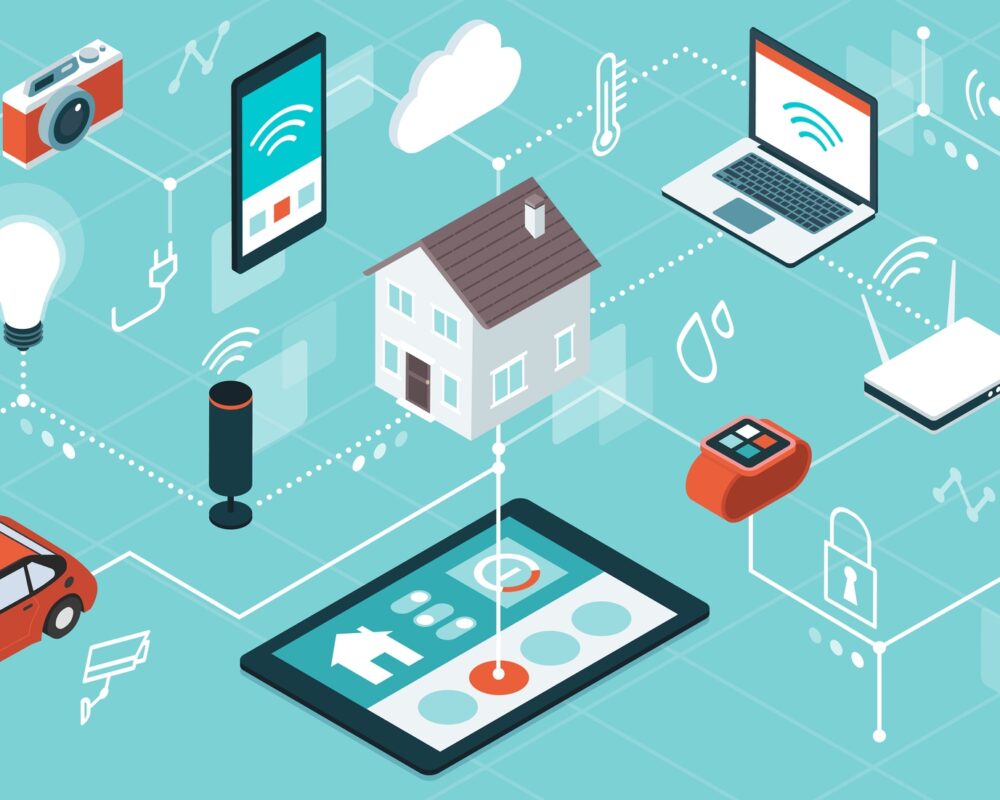
The Impact of Digital Connectivity on Modern Relationships
In today's fast-paced world, digital connectivity has dramatically transformed the way we form and maintain relationships. With the advent of social media platforms, instant messaging, and video calls, staying in touch with friends and family has never been easier. However, this connection is a double-edged sword; while it allows us to bridge geographical divides, it can also lead to superficial interactions that lack the depth of face-to-face communication. The rise of online relationships, particularly among younger generations, has created a paradigm shift in social norms, altering the very essence of intimacy and emotional bonding.
Moreover, the constant availability created by digital connectivity can impose its own set of challenges on modern relationships. Studies have shown that the pressure to remain 'connected' can lead to anxiety, jealousy, and misunderstandings. The lines between personal space and shared experience become blurred, sometimes generating feelings of inadequacy or discontent. To navigate these challenges, it is crucial for individuals to establish healthy boundaries and engage in mindful communication. As we continue to embrace the benefits of technological advancements, fostering genuine connections in the digital age remains an essential skill for maintaining fulfilling relationships.
Counter-Strike is a highly popular tactical first-person shooter game series that has captivated millions of players around the world. With its emphasis on teamwork, strategy, and precision, players can engage in various game modes such as bomb defusal or hostage rescue. For travelers looking to stay connected while gaming on the go, consider checking out the Top 10 Travel USB C Hubs to enhance your gaming experience with versatile connectivity options.
Exploring the Emotional Connectivity in Relationships: What Does it Mean?
Exploring the emotional connectivity in relationships is essential for understanding the depth of human connections. Emotional connectivity refers to the bond that allows individuals to share their feelings, thoughts, and experiences openly, fostering intimacy and trust. In relationships, this connectivity is critical, as it not only enhances communication but also promotes empathy and support between partners. When both individuals feel emotionally connected, they are more likely to navigate conflicts effectively and provide each other with the necessary emotional reassurance, ultimately strengthening the relationship.
Furthermore, emotional connectivity comes with several components, such as empathy, vulnerability, and active listening. To cultivate this vital aspect, individuals can engage in practices like expressing appreciation for each other’s efforts, being attentive during conversations, and openly discussing their emotional needs. Building emotional connectivity can lead to more profound connections, where both partners feel valued and understood. Ultimately, the significance of emotional connectivity in relationships cannot be overstated, as it lays the foundation for lasting love and companionship.
Are We More Connected or Isolated? The Paradox of Digital Relationships
In today's digital age, the question of whether we are more connected or isolated has gained significant attention. On one hand, technology has enabled us to maintain relationships across vast distances, allowing friends and family members to connect effortlessly through social media, messaging apps, and video calls. This accessibility can foster a sense of community, making it easy to share life updates, celebrate milestones, and support one another in times of need. As a result, many argue that we are living in an era of unparalleled connectivity.
On the other hand, the very platforms that promise connection often lead to feelings of isolation and disconnection. The curated nature of social media can create a false sense of intimacy, where interactions are superficial and meaningful conversations take a backseat. Individuals may find themselves surrounded by 'friends' yet feeling profoundly alone. Studies have shown that excessive use of digital communication can contribute to increasing rates of loneliness and mental health issues, suggesting that while we are indeed connected, we might be more isolated than ever before.