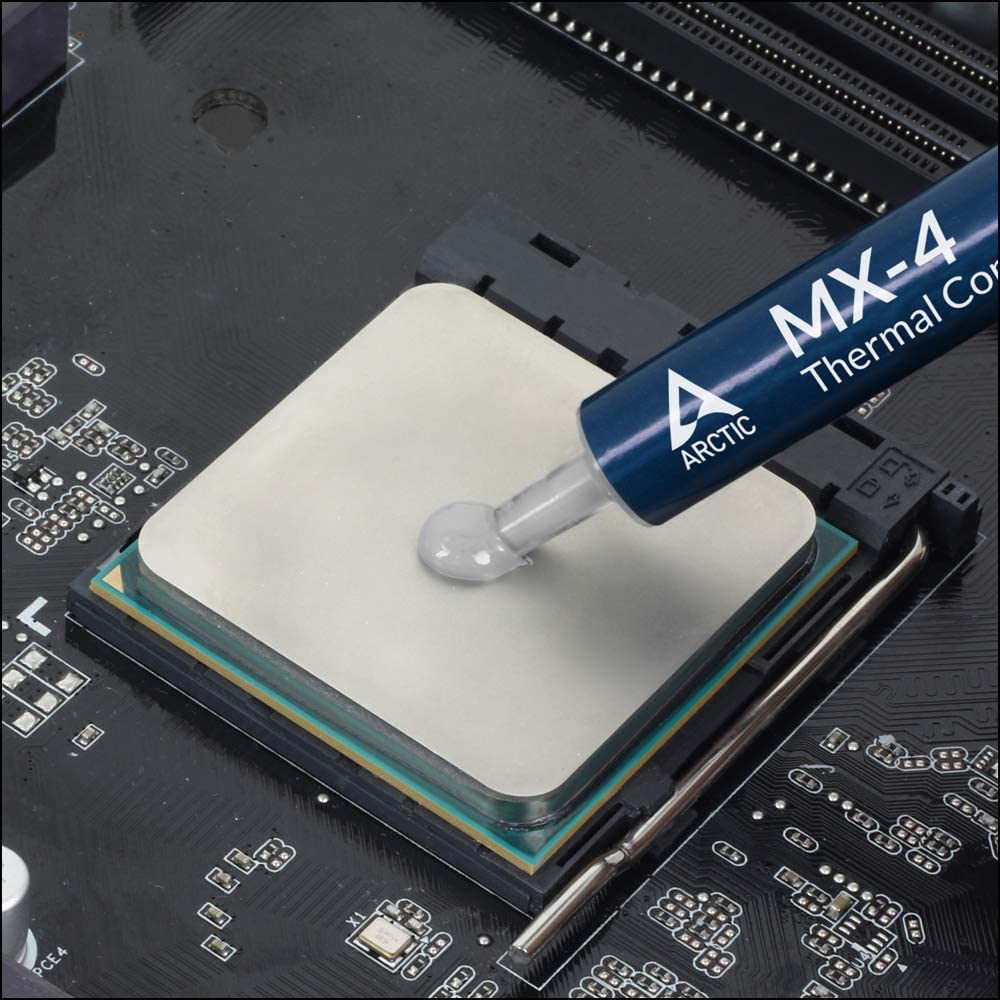
How Thermal Paste Works: A Deep Dive into CPU Cooling
Thermal paste is a crucial component in the realm of CPU cooling, often overlooked by many new PC builders. Its primary purpose is to fill in microscopic gaps between the CPU surface and the heatsink, ensuring optimal heat transfer. When a CPU operates, it generates heat, which must be dissipated efficiently to maintain performance and prevent overheating. Without adequate thermal interface material, air pockets can form, leading to poor thermal conductivity. In essence, thermal paste acts as a bridge, enhancing the contact area and allowing heat to flow more efficiently away from the processor.
Choosing the right type of thermal paste can significantly affect your cooling system's efficiency. There are various types, including ceramic-based, metal-based, and silicone-based pastes, each with its own thermal conductivity properties. For example, metal-based pastes typically offer higher thermal conductivity but can be electrically conductive, necessitating careful application. In contrast, ceramic pastes are non-conductive and safer for beginners, though they generally have a lower thermal efficiency. Ultimately, understanding how thermal paste works and selecting the appropriate kind is vital for achieving effective CPU cooling and prolonging the lifespan of your gaming rig or workstation.
Counter-Strike is a popular tactical first-person shooter that has captivated gamers since its release. The game focuses on teamwork and strategy, with players taking on the roles of either terrorists or counter-terrorists. To enhance your gaming experience, consider checking out the Top 10 Laptop Accessories to Prevent Overheating, which can help keep your hardware running smoothly during intense matches.
The Importance of Thermal Paste in Gaming: Is Your CPU Running Too Hot?
When it comes to building or upgrading a gaming PC, thermal paste is often overlooked, yet it plays a crucial role in maintaining optimal performance. This paste acts as a thermal interface material that enhances the heat transfer between your CPU and its cooler, ensuring that your processor maintains an ideal operating temperature. Without the proper application of thermal paste, your CPU can overheat, resulting in throttling, crashes, or even permanent damage. Therefore, understanding the importance of thermal paste is essential for any gamer who wants to push their hardware to the limits.
So, is your CPU running too hot? There are several signs that could indicate your system is struggling with heat management. For instance, if you regularly notice processor temperatures exceeding 80°C during gaming sessions, it may be time to check your thermal paste. Additionally, you might experience unexpected system shutdowns or performance drops during demanding tasks. Regular maintenance, such as reapplying thermal paste every few years, can help ensure your CPU operates efficiently, keeping both your gameplay smooth and your hardware safe.
How to Properly Apply Thermal Paste: Tips for Optimal Cooling
Applying thermal paste correctly is crucial for ensuring optimal cooling and preventing overheating of your CPU or GPU. Before you start, gather the necessary tools: high-quality thermal paste, a lint-free cloth or isopropyl alcohol for cleaning, and a plastic spatula or card for spreading. Begin by carefully cleaning the surface of the processor and the heatsink to remove any existing thermal paste residue. This ensures a good thermal contact and improves heat dissipation. Once clean, apply a small, pea-sized amount of thermal paste in the center of the processor. As the heatsink is pressed down, this will spread evenly across the surface.
Now that you have applied the thermal paste, it's essential to follow the proper technique to ensure even distribution. There are a few methods you can use, such as the cross pattern or line method, but the goal is the same: to cover the surface evenly without using too much paste. Too much thermal paste can lead to inefficient cooling, while too little can cause air gaps that trap heat. Once the heatsink is in place, gently twist it a bit before securing it to allow the paste to spread further. Always check the manufacturer's guidelines for your specific CPU or GPU as different models may have different requirements.