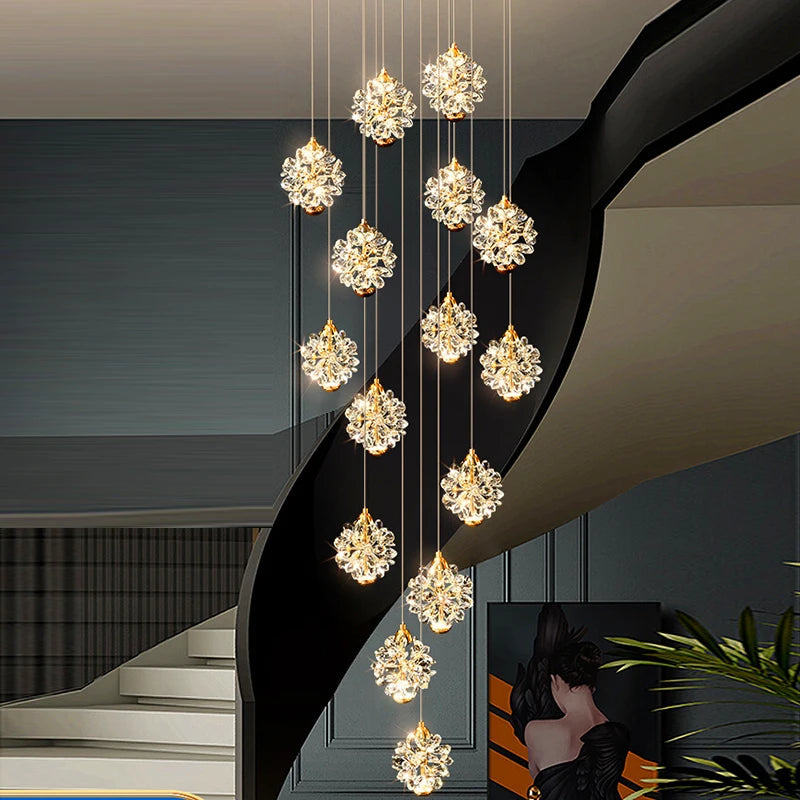
Top 5 Lighting Techniques to Transform Your Space
When it comes to enhancing the ambiance of any room, lighting techniques play a crucial role. Here are the top 5 lighting techniques that can expertly transform your space:
- Layered Lighting: Combine ambient, task, and accent lights to create a balanced and versatile lighting scheme.
- Color Temperature: Use warm or cool light bulbs to set the mood; warmer tones are inviting, while cooler tones offer a more energetic feel.
- Dimmer Switches: Install dimmer switches to easily adjust the intensity of your lights, allowing you to create the perfect atmosphere for any occasion.
- Natural Light: Maximize the use of natural light by using sheer curtains or strategically placing mirrors to reflect sunlight.
- Statement Fixtures: Choose bold light fixtures that serve as focal points, adding character and style while also providing illumination.
Implementing these lighting techniques can drastically change the way your space feels and functions. Not only do they enhance aesthetics, but they can also impact mood and productivity. Remember, the right lighting can make a world of difference, transforming a dull area into a vibrant and inviting environment.
Counter-Strike is a popular tactical first-person shooter game that has captured the attention of gamers worldwide. It emphasizes team-based gameplay, strategy, and precision, making it a favorite in esports. For those looking to enhance their photography skills, check out the Top 10 iphone camera accessories to complement your gaming content creation.
How to Choose the Perfect Lighting for Every Room
Choosing the perfect lighting for every room is a crucial element in interior design that can enhance both functionality and aesthetics. Lighting not only illuminates spaces but also sets the mood and ambiance. When selecting lighting, consider the specific needs of each room. For instance, kitchens benefit from task lighting that provides ample illumination for food preparation, while living rooms may require softer, ambient lighting to create a cozy atmosphere. A combination of various lighting types—such as ambient, task, and accent lighting—often yields the best results.
To ensure you make the right choice, follow these tips:
- Assess the size of the room to determine how much light is needed.
- Consider the room's function; for instance, bedrooms may require dimmable options for relaxation.
- Choose fixtures that complement your existing decor and highlight key features in the room.
What Are the Benefits of Natural vs. Artificial Lighting?
Natural lighting has numerous benefits that can enhance both the aesthetics and functionality of a space. One of the primary advantages is its ability to improve mood and well-being. Exposure to natural light can increase serotonin levels, which may help reduce feelings of stress and anxiety. Furthermore, natural light can boost productivity, as studies have shown that employees working in environments with ample daylight are often more focused and energized. In addition, using natural lighting can lead to lower energy costs by reducing the reliance on artificial sources during daytime hours.
On the other hand, artificial lighting offers its own set of advantages, particularly in terms of versatility and control. With a wide range of options available, such as LED, fluorescent, and incandescent lighting, it's possible to create the perfect atmosphere suited to specific needs. Artificial lighting can be adjusted for brightness and color temperature, enabling individuals to tailor their environments for work, relaxation, or other activities. Additionally, artificial lights provide a consistent and reliable source of illumination, ensuring that spaces are well-lit regardless of the time of day or season, which can be especially advantageous in regions with limited natural sunlight.