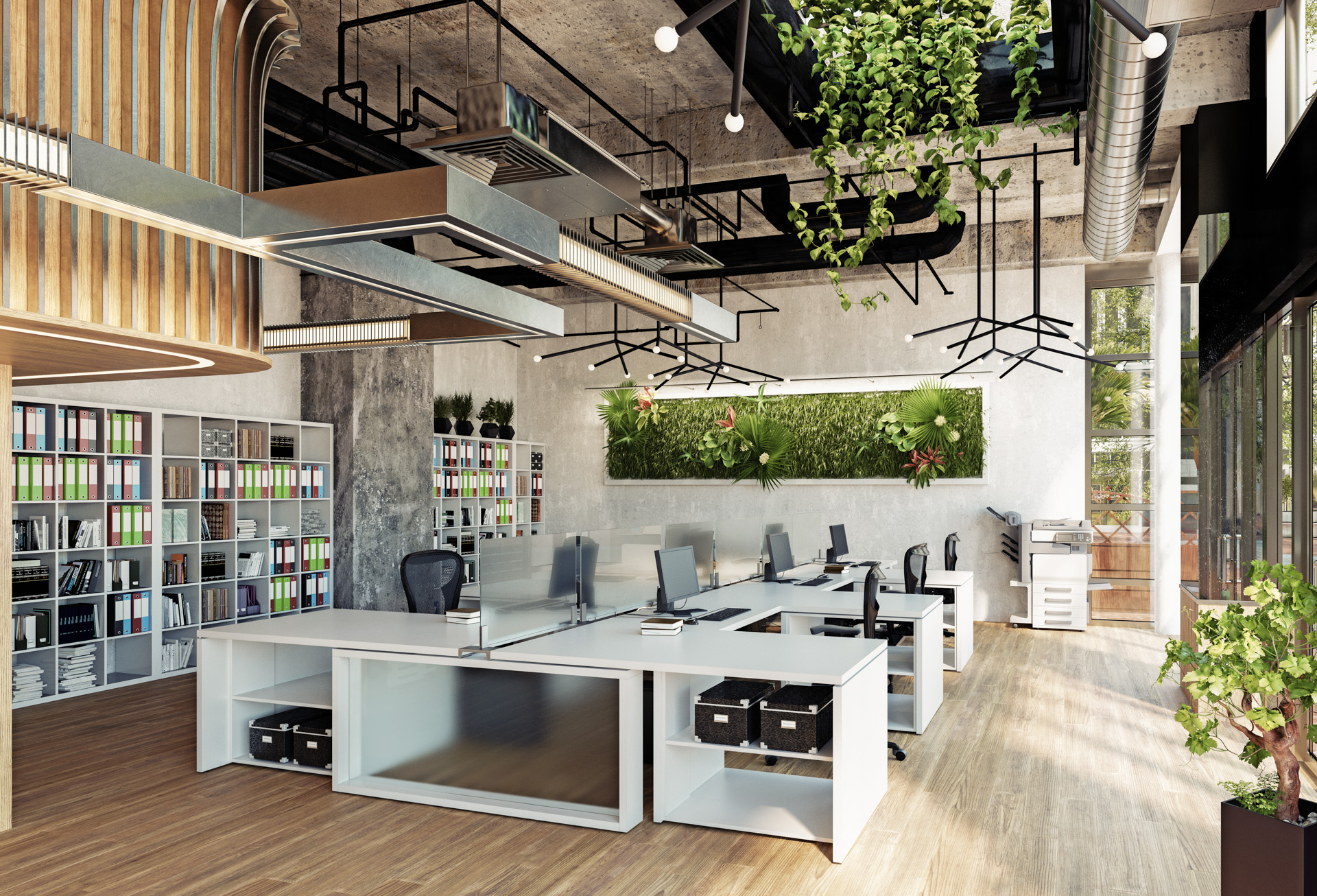
How Your Workspace Design Influences Creative Thinking
The design of your workspace plays a crucial role in shaping your creative thinking. A well-organized and aesthetically pleasing environment can stimulate your imagination and encourage innovation. For instance, incorporating elements such as natural light, greenery, and comfortable furniture can enhance your mood and lead to more productive brainstorming sessions. Studies have shown that employees are more likely to engage in creative thinking when they are surrounded by inspiring visuals and have the freedom to personalize their workspace.
Moreover, the layout of your workspace can significantly impact collaboration and idea sharing among team members. Open-plan offices promote interaction, while designated quiet zones allow individuals to focus on their thoughts. By striking a balance between these two elements, you can create an environment where creative thinking flourishes. Consider implementing features such as collaborative breakout areas or private pods to accommodate various working styles and encourage dynamic exchanges of ideas.
Counter-Strike is a tactical first-person shooter game that has gained immense popularity since its release. Players join either the terrorist or counter-terrorist team to compete in various objective-based rounds. For those who want to enhance their gaming setup, check out the Top 10 desk cable management options to keep their gaming area organized and efficient.
The Hidden Costs of an Ineffective Workspace on Innovation
In today's fast-paced business environment, the ineffective workspace can significantly hinder innovation. Numerous studies have shown that when employees work in poorly designed environments, their creativity and productivity decline. For instance, a study by the Harvard Business Review revealed that employees who felt comfortable and engaged in their workspaces were 33% more innovative. Conversely, working in cramped or disorganized spaces not only leads to frustration but also stifles the flow of ideas. Such distractions inhibit collaboration, which is crucial for fostering a culture of innovation within teams.
Additionally, the hidden financial costs of an ineffective workspace can be staggering. Organizations may face increased turnover rates as talented employees seek out more conducive environments, leading to higher recruitment and training expenses. According to a report from Gallup, companies with engaged employees enjoy 21% higher profitability. Thus, investing in a well-planned workspace can yield substantial returns, as it boosts employee morale and stimulates a continuous stream of new ideas. In summary, the ignored costs associated with a subpar workspace can erode not only creativity but also the overall success of a business.
Is Your Office Layout Stifling Your Imagination?
In today's fast-paced work environment, the office layout plays a crucial role in fostering creativity and productivity. A traditional cubicle setup may provide a sense of structure, but it can also stifle imagination and collaboration. Consider a more open and flexible office layout, where employees have the option to choose their workspace. This flexibility can lead to increased innovation as team members share ideas in a less constrained atmosphere. Research suggests that environments that encourage movement and interaction can boost creativity, so investing in a reimagined workspace could be key to unlocking the full potential of your team.
Moreover, the arrangement of furniture and common areas can significantly impact employee morale. Incorporating elements such as collaborative zones and quiet nooks can help balance the needs for both teamwork and individual focus. For example, think about integrating comfortable seating options or offering standing desks to promote a dynamic working style. By reassessing your current office layout, you can create a space that nurtures creativity and provides an inspiring backdrop for brainstorming sessions, ultimately transforming the way your team approaches problem-solving and innovation.