How Does Wireless Charging Work? A Deep Dive into the Technology
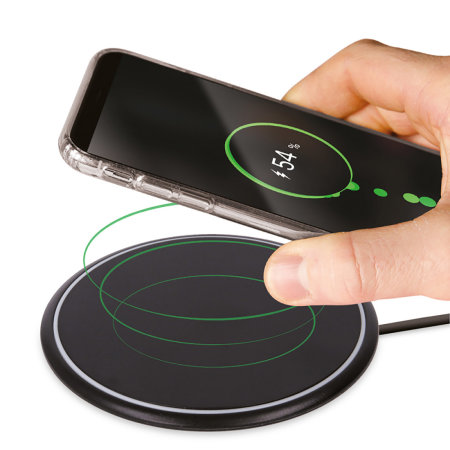
Wireless charging is a technology that allows devices to charge their batteries without the need for physical connectors or cables. At its core, wireless charging uses electromagnetic fields to transfer energy between two objects: a charging station and a compatible device. The process begins with the charging pad, which contains an induction coil that creates an alternating magnetic field when electricity flows through it. This magnetic field induces an alternating current in another coil located within the device that is placed on the charging pad, converting it into direct current to charge the battery.
There are several standards for wireless charging, including Qi, PMA, and A4WP. Among these, Qi has become the most widely adopted, allowing for compatibility across a range of devices from smartphones to wearable gadgets. This technology is particularly advantageous as it reduces wear and tear on charging ports and enhances convenience, allowing users to simply place their devices on a pad without fumbling with cables. As wireless charging continues to evolve, we can expect even faster charging speeds and broader applications, making it an essential part of modern tech.
Counter-Strike is a highly competitive first-person shooter game that has captured the hearts of gamers worldwide. Its tactical gameplay requires teamwork, strategy, and precision, making it a favorite in the esports community. If you're looking to enhance your gaming experience, check out the Top 10 iPhone 17 Pro Max Accessories that can improve your setup.
The Advantages of Wireless Charging: Efficiency and Convenience
Wireless charging has become increasingly popular due to its numerous advantages that enhance both efficiency and convenience for users. One of the primary benefits is the elimination of tangled cords and the hassle of dealing with multiple charging cables. It allows users to simply place their device on a charging pad, enabling efficient power transfer without the need for physical connections. This simplicity not only saves time but also reduces wear and tear on charging ports, extending the lifespan of devices.
Furthermore, the convenience of wireless charging extends beyond just eliminating cables. Many modern devices feature fast wireless charging capabilities, meaning users can quickly top up their devices on the go. This is especially advantageous in public spaces like cafes and airports, where charging stations often utilize this technology. By incorporating wireless charging into everyday scenarios, users experience a seamless blend of technology and lifestyle, making it a worthwhile investment for anyone looking to enhance their charging experience.
Is Wireless Charging Safe for Your Devices? Common Concerns Addressed
As the popularity of wireless charging continues to rise, many users find themselves wondering about its safety for their devices. One common concern is whether wireless chargers generate excessive heat, which could potentially damage the battery or other components of a device. In most cases, reputable manufacturers design their wireless chargers with built-in safety features like temperature control and foreign object detection to mitigate these risks. It's essential to use chargers certified by regulatory bodies, such as the Qi standard, to ensure safety and compatibility with your devices.
Another frequent worry is the charging speed compared to traditional wired methods. While wireless charging may be slightly slower, advancements are steadily being made to enhance efficiency. However, it’s crucial to consider that charging speed can be influenced by various factors, including the charger’s wattage and the device's compatibility. Many users also express concern about the long-term effects of relying solely on wireless charging. Fortunately, the majority of studies have shown that as long as proper equipment is used, wireless charging does not negatively impact battery life significantly.