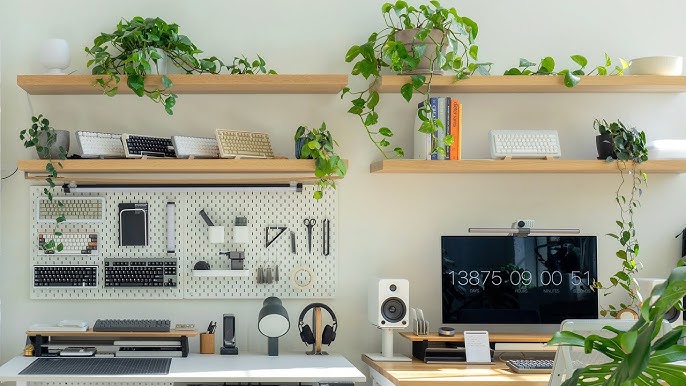
10 Essential Elements for Creating an Inspiring Workspace
Creating an inspiring workspace goes beyond just having a nice desk and chair; it involves a careful blend of essentials that foster creativity and productivity. Here are 10 essential elements to consider when designing your ideal workspace:
- Natural Light: Ensure your workspace is flooded with natural light, as it boosts mood and energy.
- Ergonomic Furniture: Invest in ergonomic chairs and desks to promote comfort and support.
- Personal Touches: Add personal items like photos or art that inspire you.
- Plants: Incorporate greenery to improve air quality and enhance your well-being.
- Decluttered Space: Keep your workspace organized to reduce distractions.
- Colors: Use color psychology; for instance, blues can promote calmness, while yellows encourage creativity.
- Technology: Equip your space with essential tech tools that streamline your workflow.
- Quiet Zones: If possible, create a separate area for focused work or relaxation.
- Sound Control: Consider soundproofing or soft materials to absorb excess noise.
- Aroma: Use scents, like essential oils, to stimulate concentration and relaxation.
Counter-Strike is a highly popular first-person shooter game that pits two teams against each other: terrorists and counter-terrorists. Players join one of these factions and compete in various game modes, focusing on objectives such as bomb defusal or hostage rescue. As competitive gameplay evolved, players have sought out the best gaming setups to enhance their experience. For those looking for comfort while gaming in bed, check out the Top 10 Laptop Stands for Beds to improve their setups.
How to Use Color Psychology to Enhance Creativity in Your Office
Understanding color psychology is essential for creating a workspace that stimulates creativity. Different colors evoke distinct emotions and can significantly influence our mental state. For example, blues and greens are often associated with calmness and tranquility, making them ideal for spaces designed for focus and concentration. On the other hand, vibrant colors like yellow or orange can inspire enthusiasm and encourage innovative thinking. By integrating these colors into your office decor—whether through wall paint, furniture choices, or decorative elements—you can create an environment that nurtures creativity.
To effectively use color psychology in your office, consider creating zones that utilize different colors for specific functions. For instance, you could use shades of blue in quiet areas designated for tasks requiring concentration, while incorporating reds and oranges in collaborative spaces to stimulate conversation and brainstorming. Additionally, incorporating natural elements like plants can enhance this effect, as green is known for its restorative properties. Overall, by thoughtfully applying color psychology, you can transform your office into a more inspiring and productive workspace.
What Are the Benefits of a Biophilic Design in Workspaces?
Biophilic design in workspaces is an innovative approach that integrates natural elements into the built environment, leading to numerous benefits for both employees and employers. One of the key advantages is the enhancement of well-being; research shows that access to natural light, plants, and outdoor views can significantly reduce stress levels and increase overall job satisfaction. Furthermore, incorporating biophilic elements can boost creativity and productivity by fostering a more stimulating and engaging workplace atmosphere. For businesses, this translates to improved employee performance and lower turnover rates, ultimately benefiting the bottom line.
Additionally, biophilic design contributes to a sustainable and eco-friendly work culture. By utilizing natural materials and promoting energy efficiency, companies can reduce their carbon footprint while creating a healthier environment for their employees. This commitment to sustainability can enhance a brand's reputation and attract environmentally-conscious clients and talent. In conclusion, adopting biophilic design principles not only beautifies the workspace but also promotes a well-rounded, productive, and sustainable work environment.